
wasserstoffwasser_lifestyle.jpg

Hydrogen water: is it healthy? Effects, experiences and criticism

Hydrogen water: healthy or hype? Find out more about the effects, studies and criticism of the trend drink. Does it really help or is it just expensive water?

Published on May 22, 2026Last updated: July 15, 2026

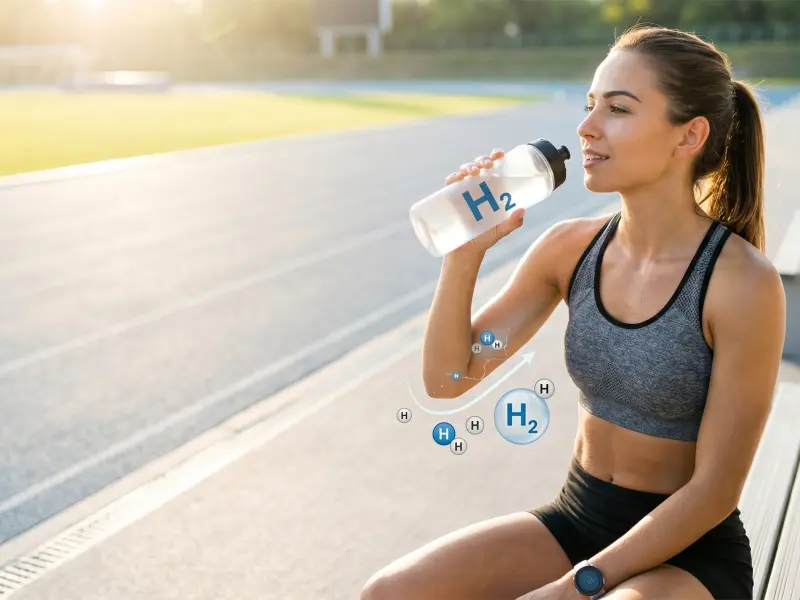
Hydrogen water has increasingly moved into the focus of athletes, health-conscious consumers and researchers in recent years. Already widespread in Asia, hydrogen water is also growing in popularity in Europe. But what exactly is behind it? Is hydrogen water healthy, what effects does the research suggest – and where are the limits of what we currently know?

In this guide we look at the state of the science as honestly as possible, summarise user experiences with hydrogen water and address possible side effects as well as the criticism levelled at it. We also clarify what to look out for if you want to buy hydrogen water or are interested in a comparison of hydrogen water devices.
What is hydrogen water?

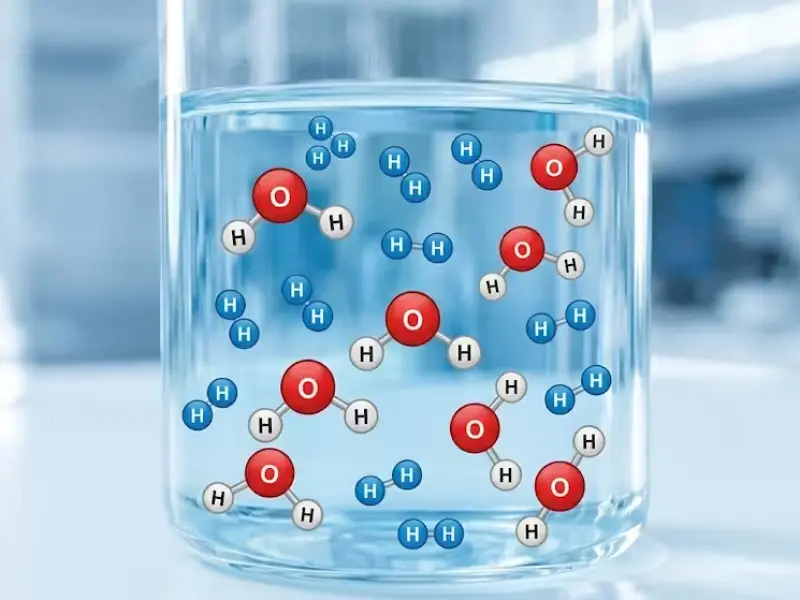
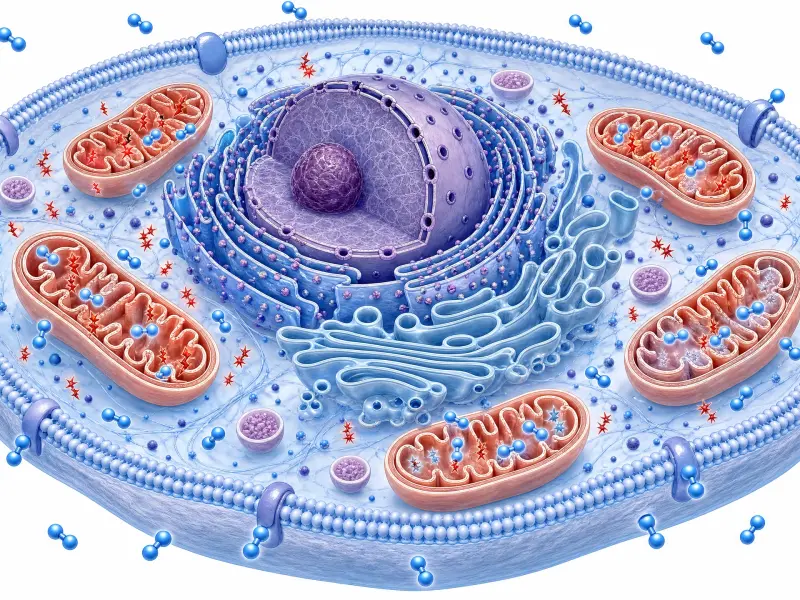
Hydrogen water (Hydrogen-Rich Water, HRW) is ordinary drinking water (H₂O) in which additional molecular hydrogen gas (H₂) has been dissolved. This molecular hydrogen is colourless, odourless and tasteless. A detailed overview of how it works at the cellular level is provided on this knowledge page on hydrogen water.

Scientific interest in molecular hydrogen was largely triggered by a foundational study by Ohsawa et al. from 2007. In an animal model, the researchers observed that molecular hydrogen was able to selectively neutralise particularly aggressive free radicals (such as hydroxyl radicals) without impairing useful signalling molecules [1]. This selectivity distinguishes H₂ from many conventional antioxidants and made it an interesting subject of research – even though the path from animal research to established human medicine is still a long one.

AWAKE Blog Bild

Is hydrogen water healthy? What the research shows so far

The question of whether hydrogen water is healthy cannot be answered with a simple yes or no. Research into molecular hydrogen is active and growing – more than 3,000 scientific publications now address the topic. At the same time, the evidence in many areas is still preliminary: some studies are small, run over short periods or were conducted in animal models. Large-scale, independent long-term studies in humans are only just emerging.

You will find a curated overview of the most important publications on this study page on molecular hydrogen. The following areas are considered particularly promising.

1. Oxidative stress – first indications from human studies

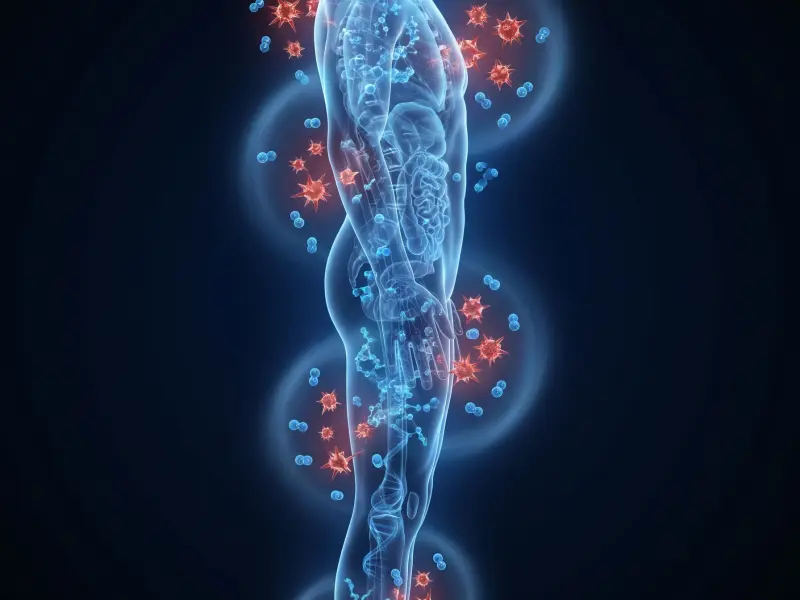
Oxidative stress arises when there is an imbalance in the body between free radicals and antioxidants. This state is associated with ageing processes and physical strain.

Initial human studies suggest that hydrogen water could support the body’s antioxidant capacity. A double-blind, placebo-controlled study (Sim et al., 2020) in 38 healthy adults observed a measurable increase in antioxidant capacity in the blood as well as a regulation of inflammatory markers after four weeks of daily consumption of 1.5 litres of hydrogen water [2]. The authors point out that further studies with larger samples will follow in order to confirm these findings.

AWAKE Blog Bild

2. Exercise and recovery – promising results

The effects of hydrogen water are investigated particularly actively in the area of sport and physical performance. Intense exertion increases oxidative stress and leads to micro-injuries in the musculature – an area in which a selective antioxidant could theoretically be useful.

Several smaller studies and a meta-analysis (Zhou et al., 2023) suggest that hydrogen water may possibly help to alleviate exercise-induced fatigue [3]. An RCT with elite female athletes (Ogannisyan et al., 2025) observed a smaller increase in markers of muscle damage such as creatine kinase under regular consumption [4]. These results are interesting, even if the study sizes are still limited. How hydrogen water can support lactate clearance and recovery is described in this article on hydrogen water in sport.

AWAKE Blog Bild

3. Inflammatory processes – an early research phase

Another area under investigation is the effect of molecular hydrogen on chronic inflammatory processes. So-called silent inflammation takes place at the cellular level, often without noticeable symptoms, and is associated in research with premature cell ageing. Preclinical studies and initial human studies provide first indications of possible inflammation-modulating properties of H₂. Background information on this is provided in this article on silent inflammation and molecular hydrogen.

AWAKE Blog Bild

4. Metabolism and general well-being

Alongside sport and oxidative stress, there are first indications of possible positive effects in the area of metabolism. A pilot study (Nakao et al., 2010) with 20 participants observed a positive influence on blood lipid values after eight weeks of consumption [5]. Initial results also point to possible effects on mood and well-being [6].

Important note: Hydrogen water is a food, not a medicine. It is not intended for the cure, alleviation or prevention of disease. If you have health complaints, you should always consult a doctor.

AWAKE Blog Bild

Hydrogen water experiences: what do users say?

Looking at users’ experiences with hydrogen water, many report a subjectively increased energy level, a perceived faster recovery after exercise and a general sense of well-being. Such reports are valuable as initial orientation, but they are by their nature subjective and not equivalent to clinical studies. You will find genuine user reports on this testimonials page.

Are there any side effects of hydrogen water?

A frequently asked question concerns possible side effects of hydrogen water. According to the current state of research, molecular hydrogen is considered well tolerated. Since hydrogen is a natural gas that is also produced in small amounts by gut bacteria, the body is fundamentally familiar with it.

In the clinical studies conducted in humans to date, no undesirable side effects have been documented for the oral intake of hydrogen water [2]. Excess hydrogen is generally exhaled via the lungs. Common questions on safety and use are answered in this FAQ on hydrogen water.

Criticism of hydrogen water: what do sceptics object to?

Despite the interesting body of studies, there is legitimate criticism of hydrogen water that should be taken seriously:

  1. No conclusive evidence yet: There are already more than 3,000 studies and publications on the topic of hydrogen. Systematic reviews such as Dhillon et al. (2024) confirm the antioxidant properties, but at the same time emphasise that large-scale, independent long-term studies in humans are still outstanding. The research is promising and is set to continue in the future.

  2. The volatility of the gas: Molecular hydrogen is the smallest molecule in nature and escapes very quickly from unsuitable containers, particularly from conventional PET plastic bottles. Criticism of hydrogen water therefore often targets products where it is unclear how much H₂ is actually still dissolved in the water at the moment of drinking.

Buying hydrogen water: what options are there?

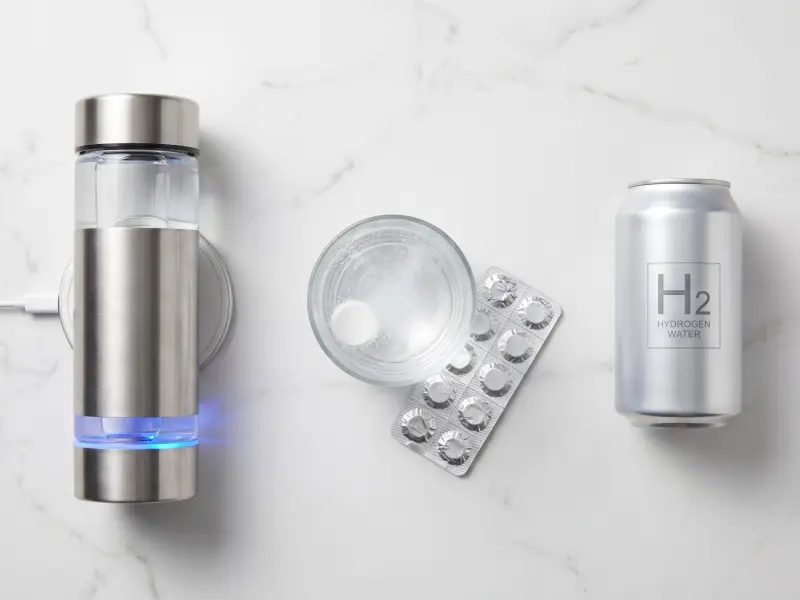
If you want to buy hydrogen water, you face three fundamentally different routes today: electrolysis devices, hydrogen tablets and ready-to-drink hydrogen water. Each option has specific characteristics – and the differences in purity, concentration and handling are considerable. A direct product comparison is provided on this comparison page of the various options.

AWAKE Blog Bild

Option 1: Hydrogen water devices – electrolysis devices in comparison

If you are looking for a comparison of hydrogen water devices, you will mainly come across hydrogen drinking bottles and stationary ionisers that enrich water with hydrogen by electrolysis. A good comparison of hydrogen water devices should take the following criteria into account:

  • PEM/SPE technology: High-quality devices use a proton exchange membrane (PEM) and solid polymer electrolyte (SPE) technology in order to separate out by-products such as ozone or chlorine as far as possible.

  • H₂ concentration: Performance is stated in ppm (parts per million). Good devices reach values between 1.0 and 3.0 ppm of dissolved hydrogen.

  • Material quality: Containers should be made of glass or stainless steel, since hydrogen molecules can escape through common plastics such as PET.

One disadvantage of electrolysis is that by-products can be created alongside hydrogen during the splitting process. With devices using high-quality PEM/SPE technology this risk is reduced, but it cannot be ruled out entirely. You will find the detailed comparison here: Hydrogen water vs. H₂ generators.

Option 2: Hydrogen tablets

Another possibility is hydrogen tablets (H₂ tablets), which you drop into a glass of water, where they release molecular hydrogen through a chemical reaction. This option is compact and practical for travelling. However, the H₂ concentration actually achieved depends heavily on product quality, water temperature and reaction time. The tablets also contain carrier substances such as elemental magnesium or binders, which remain in the water as residues. More on this in the direct comparison: Hydrogen water vs. H₂ effervescent tablets.

Option 3: AWAKE – ready-to-drink hydrogen water without a device

AWAKE Blog Bild

A practical alternative to devices and tablets is offered by AWAKE – Europe’s first ready-to-drink hydrogen water. Here molecular hydrogen is introduced directly into the water under controlled conditions without electrolysis and sealed in gas-tight aluminium cans and glass bottles. Both packaging formats keep the small hydrogen molecules stable until opening – something that would not be possible with conventional PET plastic containers.

The concept has three practical advantages over the other options:

Controlled production without by-products: Since no electrolysis process takes place, no by-products such as ozone or chlorine are created. The AWAKE can – refined with a natural lemon-lime flavour – and the AWAKE bottle contain nothing but water and molecular hydrogen.

High and stable concentration: AWAKE states a concentration of 11 ppm – considerably more than the typical yield of home devices (1.0–3.0 ppm).

Ready to drink immediately: No charging, no waiting, no maintenance. AWAKE can be integrated into your daily routine without any fuss – particularly if you have neither the time nor the inclination for hydrogen devices.

If you want to buy hydrogen water without having to deal with hydrogen devices or hydrogen tablets, AWAKE is a practical option that is clean on the production side.

Conclusion: hydrogen water is a promising approach

Research into hydrogen water is active and provides interesting first indications – particularly in the areas of oxidative stress, athletic recovery and inflammation modulation. As things currently stand, no side effects of hydrogen water are known.

If you are interested in hydrogen water, you should soberly compare the three available options – electrolysis devices, tablets and ready-to-drink water. Each has its merits; the differences lie above all in purity, concentration, handling and effort.

AWAKE offers a practical ready-to-drink form with controlled production, a high concentration and without the effort of a device or the residues of a tablet – available as a can and as a glass bottle. Whether hydrogen water is right for your daily routine ultimately remains a personal decision – ideally based on your own research and, if in doubt, in consultation with a doctor.

FAQ: frequently asked questions about hydrogen water

Research into molecular hydrogen is promising but not yet complete. Initial human studies suggest that hydrogen water could support the body’s antioxidant capacity and reduce oxidative stress. At the same time, large-scale long-term studies in humans are still lacking. Hydrogen water is a food – not a medicine – and should be regarded as a possible addition to a healthy lifestyle, not as a remedy.

References:
  1. Ohsawa I, et al. Hydrogen acts as a therapeutic antioxidant by selectively reducing cytotoxic oxygen radicals. Nat Med. 2007;13(6):688–694. → View study

  2. Sim M, et al. Hydrogen-rich water reduces inflammatory responses and prevents apoptosis of peripheral blood cells in healthy adults. Sci Rep. 2020;10(1):12130. → View study

  3. Zhou K, et al. Effects of molecular hydrogen supplementation on fatigue and aerobic capacity in healthy adults. Front Nutr. 2023;10:1094032. → View study

  4. Ogannisyan M, et al. Hydrogen-Rich Water Decreases Muscle Damage and Improves Power Endurance in Elite Athletes. J Lifestyle Med. 2025. → View study

  5. Nakao A, et al. Effectiveness of hydrogen rich water on antioxidant status of subjects with potential metabolic syndrome. J Clin Biochem Nutr. 2010;46(2):140–149. → View study

  6. Mizuno K, et al. Hydrogen-rich water for improvements of mood, anxiety, and autonomic nerve function in daily life. Med Gas Res. 2017;7(4):247–255. → View study