
Wasserstoffwasser gegen oxidativen Stress – mehr Energie für deinen Körper

Hydrogen water and energy: how H₂ can support your mitochondria

Tired despite enough sleep? The answer may lie deeper than you think – in your mitochondria, the power plants of every cell.

Published on June 1, 2026Last updated: July 15, 2026

More and more people are looking for natural ways to reduce everyday tiredness and raise their energy levels – without the typical caffeine crash. Alongside sleep, exercise and nutrition, a tiny cell component is moving into the focus of science: the mitochondria. And it is precisely here that one of the most exciting fields of research of recent years is becoming ever more interesting – hydrogen water.

What does the smallest molecule in the universe have to do with your energy? How are oxidative stress and cellular exhaustion connected? And why, of all things, is the concentration (ppm) so decisive? In this article we look at the current state of research – honestly, soundly and with sources – and explain why molecular hydrogen (H₂) could play such a fascinating role for our cellular power plants.
The mitochondria: the power plants of your cells

AWAKE Blog Bild

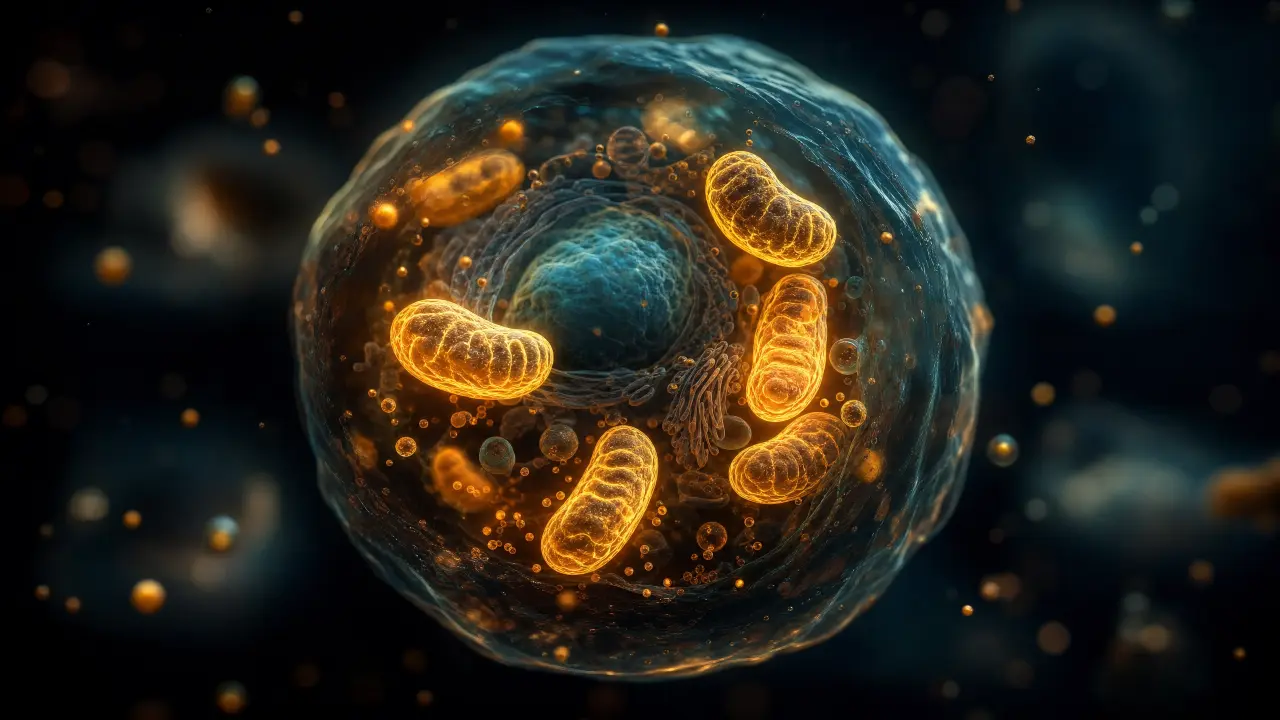
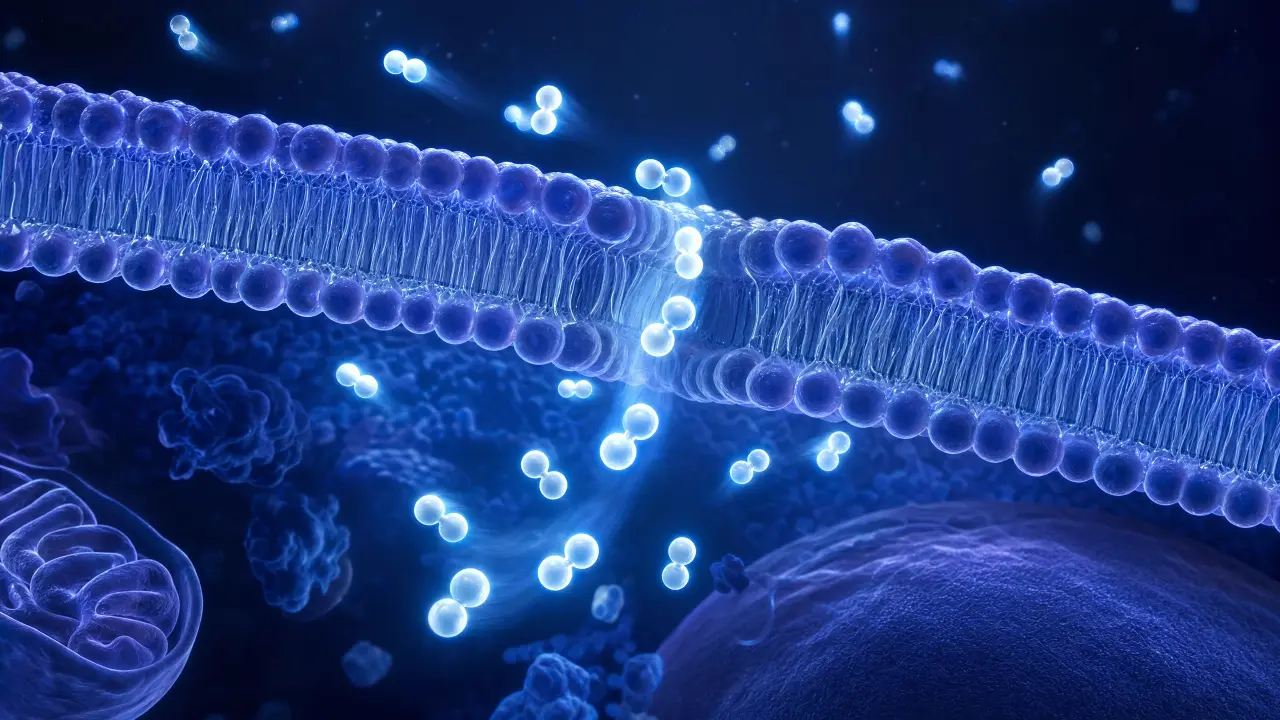
To understand how hydrogen water could affect your energy, it is worth taking a look at the mitochondria. These tiny components of our cells are often described as “cellular power plants”. Their main task: to convert nutrients from food, with the help of oxygen, into adenosine triphosphate (ATP) – your body’s universal energy currency [1].

Without functioning mitochondria your muscles would have no strength for movement, your brain no energy for thinking and your organs could not perform their tasks. In short: mitochondrial health is energy health.

The problem: oxidative stress and cellular exhaustion

ATP production creates a natural by-product: reactive oxygen species (ROS), also known as free radicals. In normal amounts they are actually useful and control important signalling pathways.

But if the concentration gets out of hand – for example through chronic stress, lack of sleep, intense training, environmental toxins or poor nutrition – oxidative stress arises.

And it hits the mitochondria of all things. If the “power plants” are damaged, they produce less energy and, at the same time, even more free radicals. A vicious circle that can make itself felt in everyday life as exhaustion, persistent tiredness or slowed recovery [2]. It is precisely this cycle that research wants to break – and this is where hydrogen comes into play.

How molecular hydrogen can protect the mitochondria

AWAKE Blog Bild

Since a groundbreaking study in the renowned journal Nature Medicine (2007), H₂ has been investigated as a potential selective antioxidant – a finding that has triggered a wave of what is now several thousand scientific papers. You will find a curated overview of the hydrogen studies on our study page [3].

What is special about molecular hydrogen is its tiny size: H₂ is the smallest molecule in nature (we explain exactly what hydrogen water is here). This property allows the gas to penetrate biological membranes effortlessly and advance directly into the cells and their organelles – such as the mitochondria – where many classic antioxidants never even arrive [1]. The precise mechanisms of action are still being actively discussed in science – two hypotheses are to the fore.

1. The emergency brake: targeting the most aggressive radicals

The groundbreaking discovery of 2007, published in the renowned journal Nature Medicine: H₂ can specifically capture particularly aggressive free radicals – above all the highly reactive hydroxyl radical – without impairing the useful signalling radicals [3]. It was precisely this selectivity that made H₂ a sensation and marked the starting signal for all hydrogen research. Today we know: this direct effect is part of a larger picture – molecular hydrogen apparently acts via several pathways at once. And perhaps the most impressive of them is an indirect one.

2. The real trick: switching on the body’s own defences

The even more exciting hypothesis: H₂ acts above all indirectly. It appears to activate the Keap1-Nrf2 pathway – a central “master switch” that ramps up the production of the body’s own antioxidants (such as glutathione, superoxide dismutase or catalase). Instead of merely capturing individual radicals, H₂ would thus enable the cell to protect itself better on a lasting basis. In their review, Cheng et al. (2023) argue that this indirect route via the mitochondria is probably the dominant protective mechanism – not just direct capture [2].

3. More protection = more efficient energy

If the mitochondria are protected from excessive oxidative stress, they can work more efficiently. Initial preclinical and clinical studies provide indications that H₂ could support mitochondrial function and thus contribute to more stable energy production (ATP) [1]. We go deeper into how molecular hydrogen acts on several levels in the body at once in the article Medical hydrogen: a small molecule with a big effect.

Property of H₂

Effect on the mitochondria

Tiny molecular size

Penetrates cell membranes quickly and reaches the mitochondria directly.

Activation of Nrf2

Switches on the body’s own antioxidant defences.

Direct radical action

Capture of particularly aggressive hydroxyl radicals.

Protection from oxidative stress

Support for more efficient ATP production.

Hydrogen water, energy and sport: what human research shows

AWAKE Blog Bild

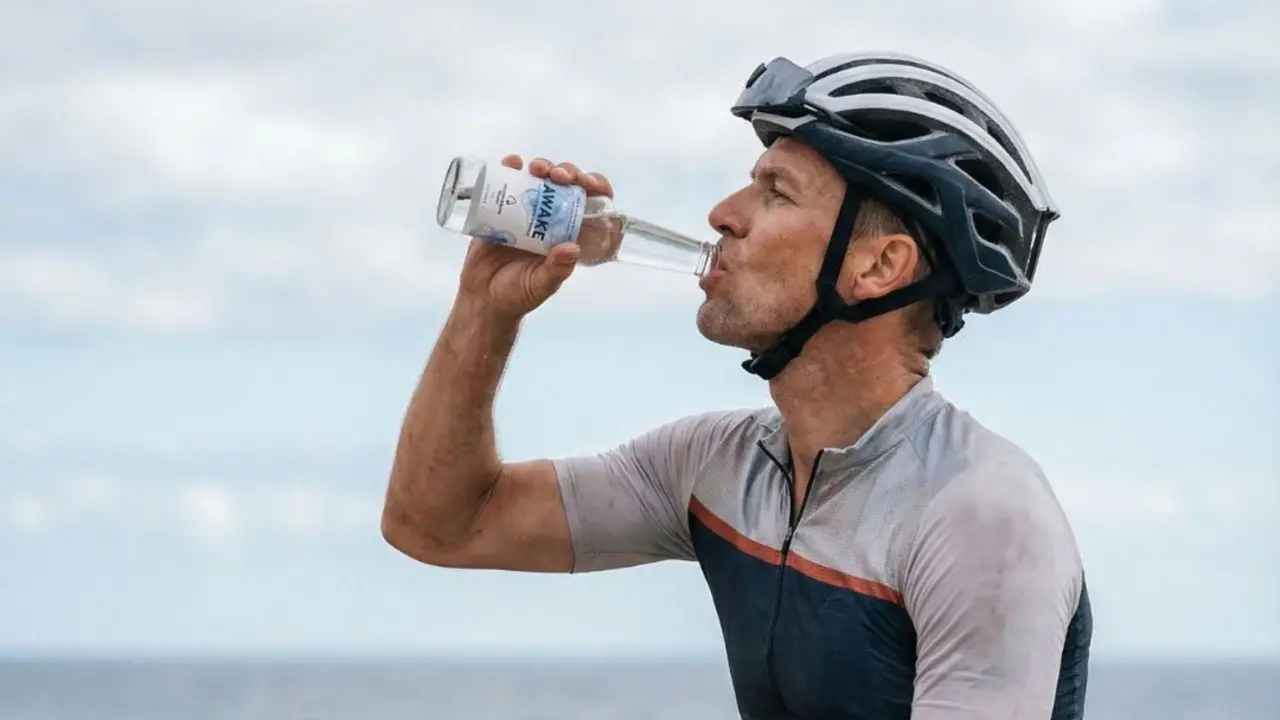
Because of these cellular mechanisms, hydrogen water is particularly interesting for people who want to support their energy level in a natural way. Unlike caffeinated energy drinks, which briefly push the nervous system up and often end in a “crash”, H₂ starts deeper down: at the fundamental level of cellular energy production.

It gets particularly interesting on the subject of sport and recovery – and here there is genuine human data:

  • In a randomised, double-blind, placebo-controlled crossover study, twelve healthy, physically active men drank 600 ml of hydrogen-rich water before an incremental exercise test. The result: at high intensity, significantly lower blood lactate values, a better perception of exertion and more efficient breathing – methodologically one of the more solid pieces of work in the field [4].

  • An earlier pilot study by the University of Tsukuba with ten professional footballers pointed in the same direction: less lactate and a smaller exercise-induced decline in muscle function after H₂ water before training [5].

  • A meta-analysis sums it up with cautious optimism: there is moderate evidence that H₂ can alleviate fatigue – a booster for maximum endurance performance, on the other hand, should not be expected.

  • Mechanistic research is also growing rapidly: a recent investigation in the journal Frontiers in Nutrition (2026) showed in an animal model (mice) that long-term consumption of hydrogen-rich water lowers oxidative stress and inflammatory markers in the musculature and improves endurance – a valuable mechanistic building block, but one that is not directly transferable to humans [6].

Honestly: the body of studies is young. But hardly any wellness topic is currently being researched as intensively as molecular hydrogen. And it is precisely this dynamic that makes it so exciting. You can read a balanced assessment – including the critical voices – in the article Hydrogen water: healthy or hype?

Important note: Hydrogen water is a food and not a medical remedy. The studies mentioned relate to research into molecular hydrogen and do not constitute promises of a cure. If you have health complaints, please consult a doctor.

Why the concentration (ppm) is decisive

AWAKE Blog Bild

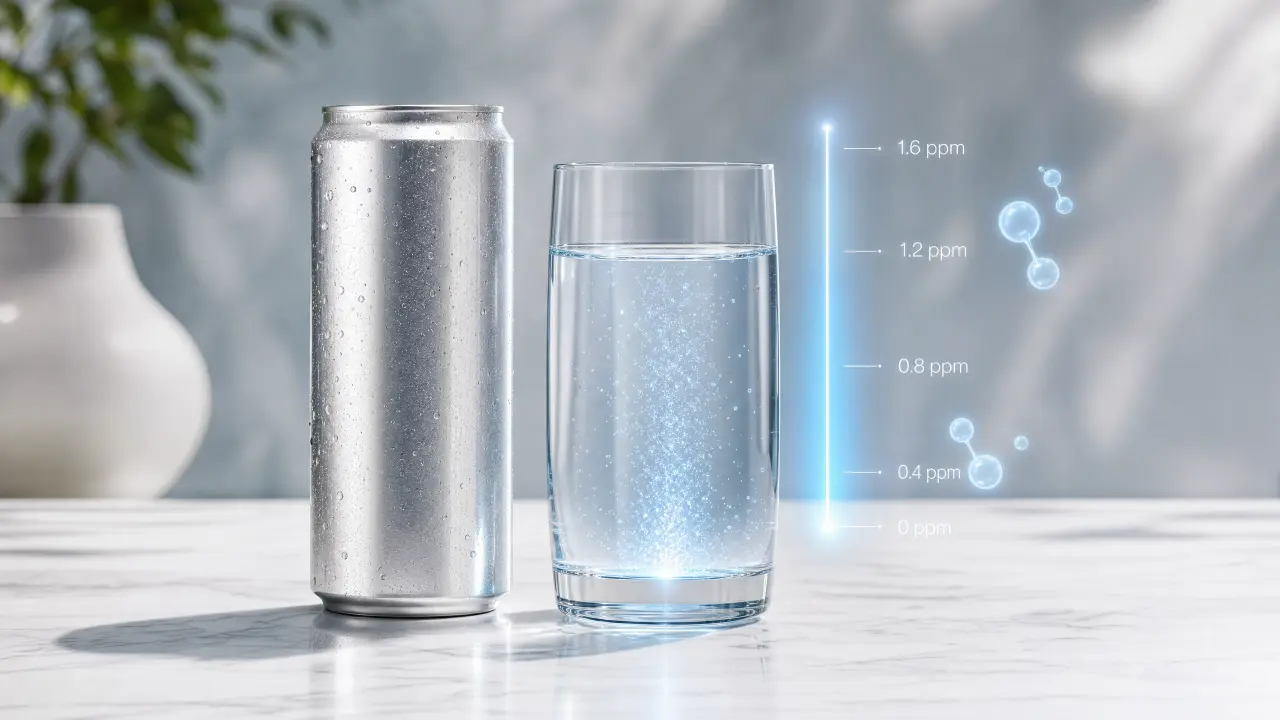
Not every hydrogen water is the same. The concentration of dissolved hydrogen – measured in ppm (parts per million) – and the stability of the gas in the water are the decisive quality criteria. Because H₂ is extremely volatile and escapes quickly from unsuitable containers or during production with simple devices.

At normal atmospheric pressure, the natural saturation limit of H₂ in water is around 1.6 ppm. Even high-quality home generators usually reach only around 0.5 to 3 ppm – and many clinical studies worked with concentrations in a similar range. Achieving considerably higher, stable values requires an industrial high-pressure process. Our comparison of AWAKE and H₂ generators shows why home devices run into physical limits here.

AWAKE: ready-to-drink hydrogen water with a stable ppm concentration

AWAKE Blog Bild

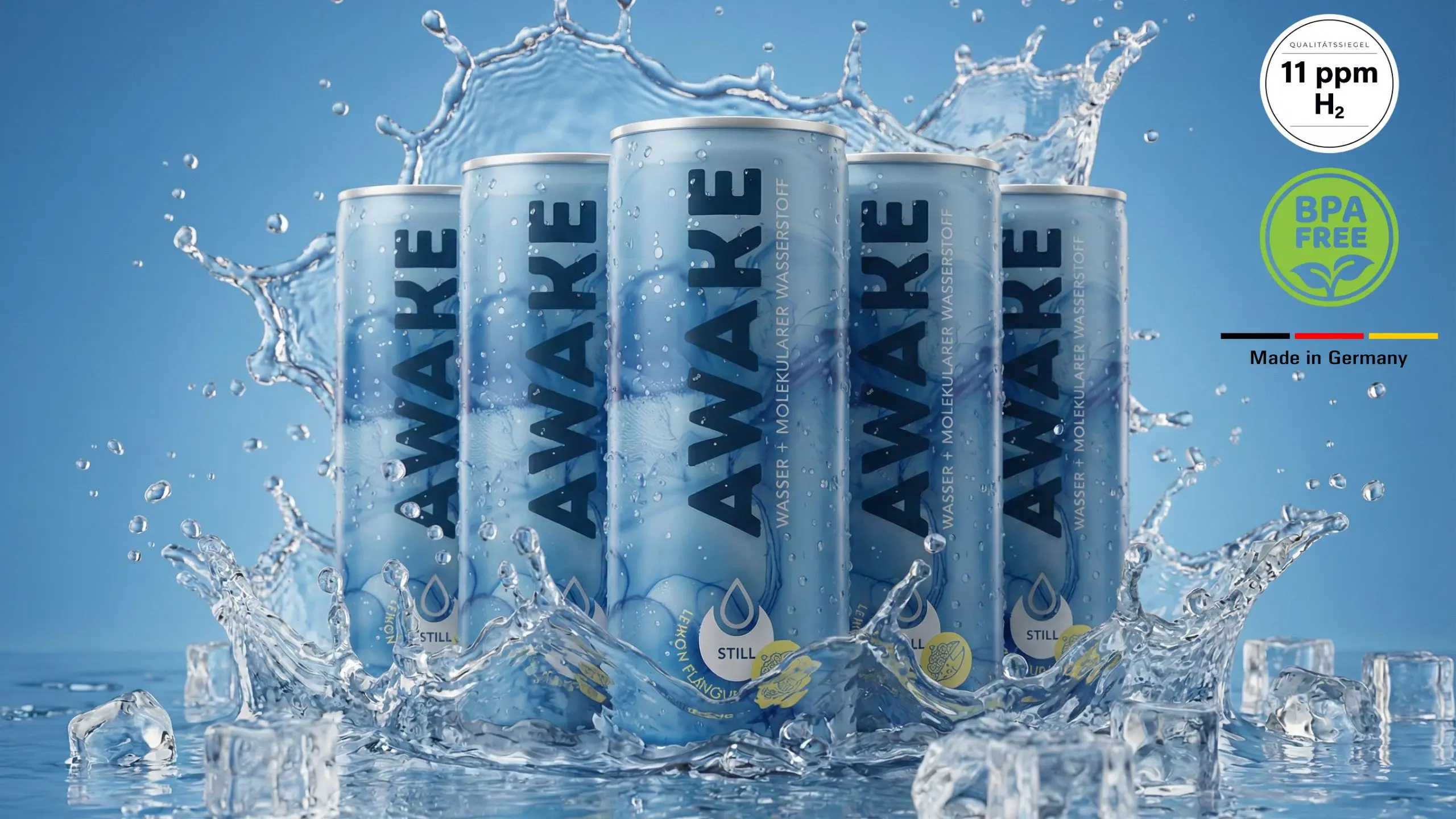
This is exactly the sticking point of many products – and the strength of AWAKE: Europe’s first ready-to-drink hydrogen water. Through a special, controlled process without electrolysis, H₂ is introduced directly into the water under high pressure. Bottled in gas-tight aluminium cans and special glass bottles, the high concentration of 11 ppm of pure molecular hydrogen remains stable until opening – a value that no home device achieves. No generator, no tablet hassle, no guesswork.

That means for you: with every can or bottle you take in a considerably larger amount of molecular hydrogen than would be possible with conventional alternatives – straightforwardly, in the morning for a fresh start, at your desk for mental clarity or after exercise to support recovery.

  • The AWAKE can – refined with natural lemon-lime flavour from real organic citrus fruits – is your practical companion for on the go.

  • The AWAKE glass bottle – neutral in taste, only water and molecular hydrogen – is ideal for anyone who prefers it pure.

You can read what others experience with AWAKE in the AWAKE testimonials – from athletes and biohackers through to doctors.

Discover AWAKE now and choose your package →

AWAKE Blog Bild

Frequently asked questions (FAQ)

Hydrogen water contains dissolved molecular hydrogen (H₂), which is investigated in research as a selective antioxidant. The connection to energy lies at the cellular level: oxidative stress can impair the mitochondria – the ATP-producing power plants of your cells. Initial studies suggest that H₂ could protect the mitochondria from oxidative damage and thus contribute to more stable energy production. That is a fundamentally different approach from caffeine, which only stimulates the nervous system in the short term.

References:

[1] Zhang, X., Xie, F., Ma, S., et al. (2023). Mitochondria: one of the vital hubs for molecular hydrogen’s biological functions. Frontiers in Cell and Developmental Biology. https://pmc.ncbi.nlm.nih.gov/articles/PMC10662307/

[2] Cheng, D., Long, J., Zhao, L., & Liu, J. (2023). Hydrogen: A Rising Star in Gas Medicine as a Mitochondria-Targeting Nutrient via Activating Keap1-Nrf2 Antioxidant System. Antioxidants, 12(12), 2062. https://pmc.ncbi.nlm.nih.gov/articles/PMC10740752/

[3] Ohsawa, I., Ishikawa, M., Takahashi, K., et al. (2007). Hydrogen acts as a therapeutic antioxidant by selectively reducing cytotoxic oxygen radicals. Nature Medicine, 13(6), 688–694. https://pubmed.ncbi.nlm.nih.gov/17486089/

[4] Botek, M., Krejčí, J., McKune, A. J., Sládečková, B., & Naumovski, N. (2019). Hydrogen Rich Water Improved Ventilatory, Perceptual and Lactate Responses to Exercise. International Journal of Sports Medicine, 40(14), 879–885. https://pubmed.ncbi.nlm.nih.gov/31574544/

[5] Aoki, K., Nakao, A., Adachi, T., Matsui, Y., & Miyakawa, S. (2012). Pilot study: Effects of drinking hydrogen-rich water on muscle fatigue caused by acute exercise in elite athletes. Medical Gas Research, 2, 12. https://pmc.ncbi.nlm.nih.gov/articles/PMC3395574/

[6] Mizuno, E., Sato, T., Okada, K., et al. (2026). Hydrogen-rich water improves endurance by reducing skeletal muscle oxidative stress and inflammatory responses. Frontiers in Nutrition, 13, 1722091. (Animal model: mice) https://www.frontiersin.org/journals/nutrition/articles/10.3389/fnut.2026.1722091/full